We’ve all been there. You’re deeply thoughtful, you put significant time into choosing something perfect for a friend or family member, but when it comes time to wrap it and present it, a wave of anxiety hits. The gift itself is wonderful—a genuine labor of love—but it might come with a price tag that doesn't scream "luxury." You worry the wrapping will betray the thoughtfulness inside. It feels like you have to spend more money just to make your intentions look adequate, which defeats the whole purpose.
But here’s the secret: making a gift look expensive isn't about spending money; it’s about applying curation, intention, and presentation skill. Giving is an art form, and like any art form, presentation matters immensely. Understanding how to make the gift look better than the price suggests shifts your focus from the cost of the object to the value of the experience.
Shifting Focus: The Psychology Behind Great Gifting
The first step in making a budget-friendly item shine is changing the conversation you have with yourself about what "quality" means. Often, we equate high cost with high quality, but this couldn't be further from the truth. True value resides in the effort and thought put into the pairing, not just the monetary weight of the single item.
Instead of viewing your gift as a standalone purchase, start seeing it as a moment. What memory does the recipient associate with you? That emotional resonance is infinitely more valuable than any material object. When you focus on solving a perceived need—whether that's "a cozy reading nook" or "an afternoon escape"—the individual components stop feeling like cheap add-ons and start forming a cohesive narrative.
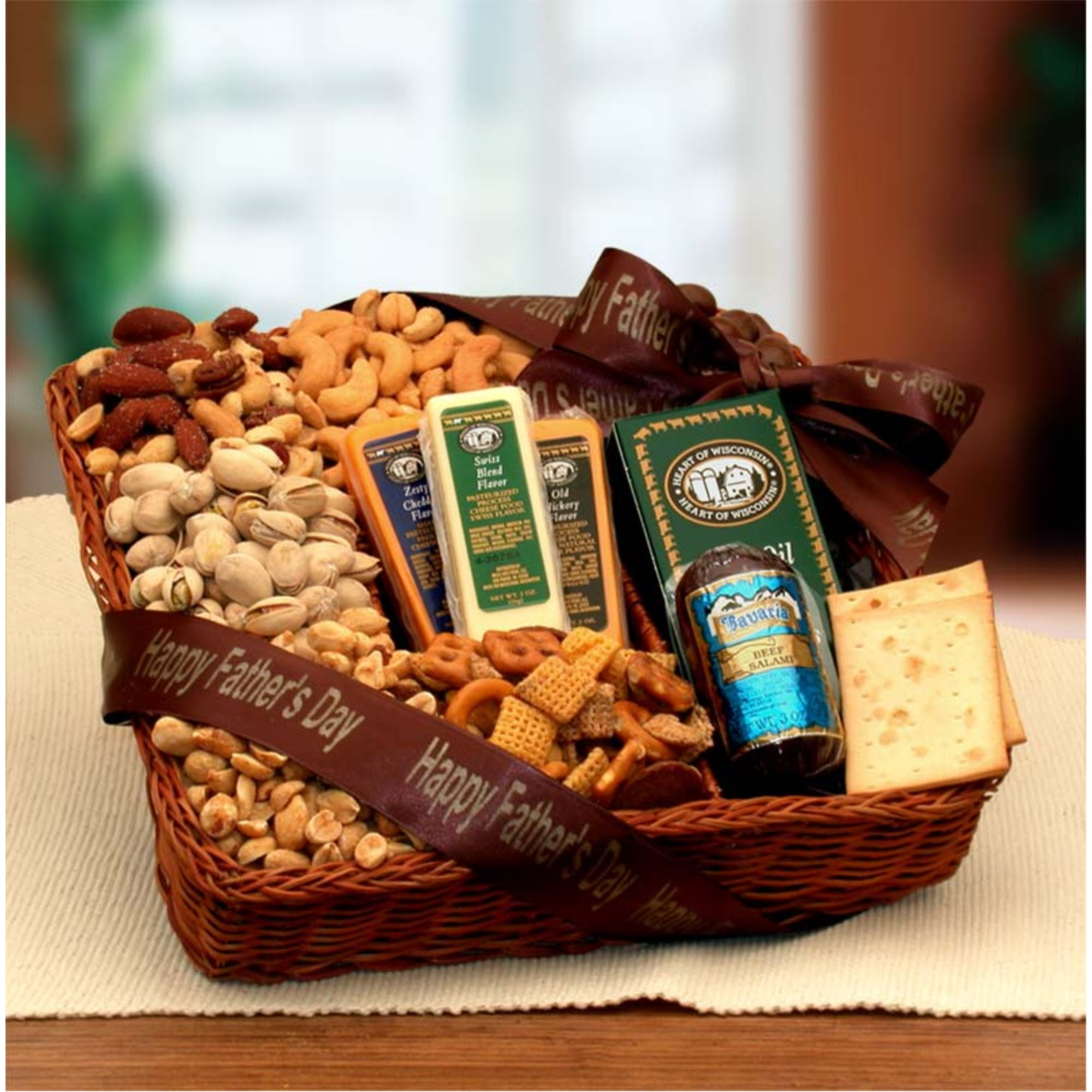
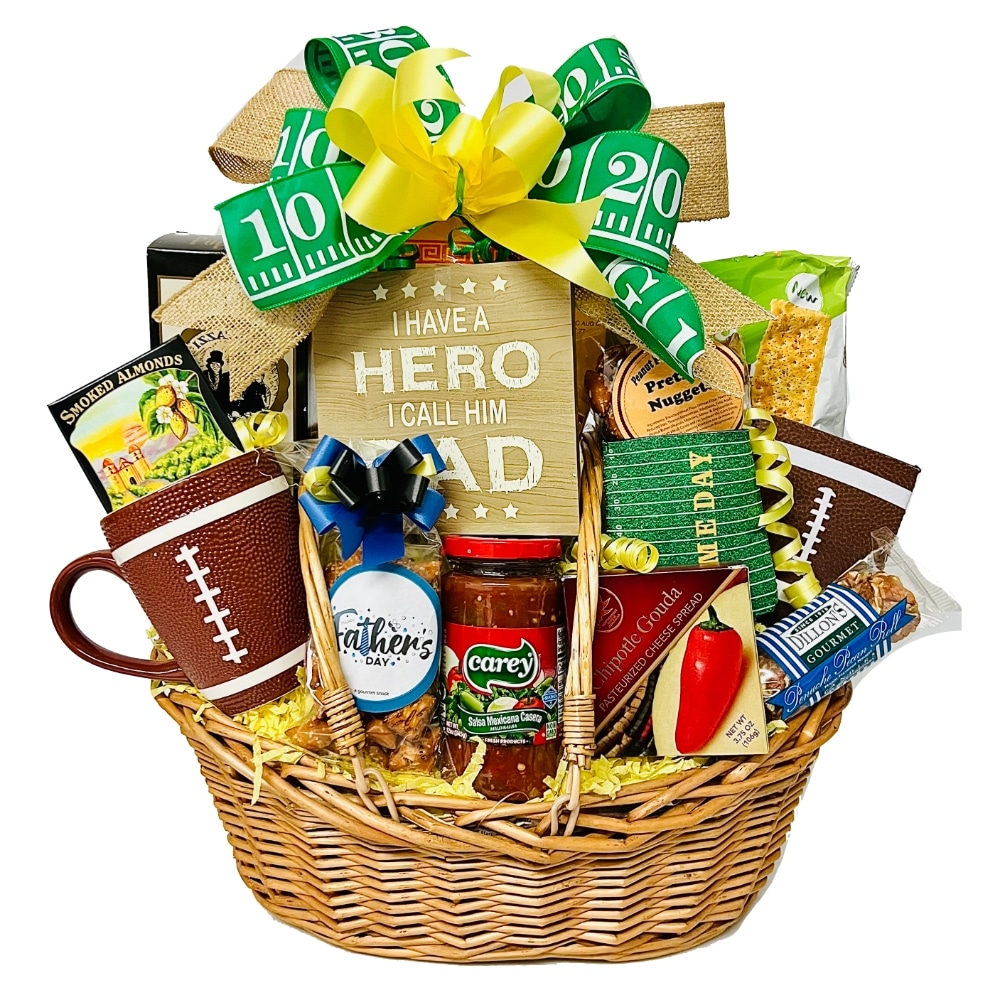
Consider this: I once bought my sister an inexpensive, beautiful set of local tea blends. The gift itself was modest, but when I paired it with a handwritten note suggesting we spend a Saturday having a proper tasting session together, the entire experience felt priceless. It proved that how to make the gift look better than the price suggests is often less about wrapping paper and more about narrative pairing.
Elevating Presentation Through Strategic Packaging
Packaging is your most powerful tool and it requires far less effort than you might think. Think of the wrapping not as a container, but as an extension of the gift itself—it’s part of the reveal.
Mastering the Fundamentals of Wrapping
You do not need store-bought perfection. A slightly crooked fold or a mismatched ribbon can feel charmingly intentional. Here are three actionable ways to instantly upgrade any package:
- Texture over Pattern: If your item is simple, use wrapping paper with rich texture—like kraft brown, linen print, or matte watercolor effects. The variation in the paper itself adds visual depth. The Power of Repurposed Materials: Skip store-bought ribbons entirely. Use twine, colored yarn, strips of patterned fabric (like an old scarf), or even dried floral wire to tie things together. These natural elements instantly elevate the look and add a rustic touch. Negative Space Matters: Don't cover every inch of the box. Leave strategic areas bare, allowing the recipient’s eye to rest on the gift itself before they fully unwrap it. This makes the reveal feel more dramatic and deliberate.
Curating the Experience: Thoughtful Pairings That Speak Volumes
The most effective trick for making a modest item look grand is pairing it with something seemingly unrelated but deeply complimentary. This technique turns a simple "gift" into a curated collection of joys.
Think of yourself as a perfumer—you aren't selling one scent; you are selling an olfactory journey. Do the same with your gifts. If you buy a book, don't just wrap it. Pair Visit this site it with a gourmet bookmark, a packet of specialty tea that matches the mood of the book, and a custom reading light candle. Suddenly, those three items together convey a sense of mood and luxury.
Do you find yourself overthinking this process? Why do we assume monetary value correlates directly to emotional impact? By thoughtfully pairing items, you are telling a story: "When you use this item, I hope it makes you feel X." This holistic approach is the key to knowing how to make the gift look better than the price suggests.
Adding Personal Touches That Transcend Material Value
The difference between an adequate gift and a memorable one often comes down to these subtle details—the things that cost pennies but carry weight. These details are your secret weapons for making even the simplest object feel bespoke and deeply cherished.
- Handwritten Notes, Always: Never let a note be generic. Reference a specific shared memory or an inside joke related to the gift. This anchors the material object in a personal context. The 'Why' Tag: Instead of just writing "Happy Birthday," write something like: "I know you’ve been stressed lately, so I got this because I hope it reminds you to take five minutes for yourself." The reason is always more valuable than the thing itself. Incorporating Local Flair: If possible, add a local element—a sticker from your city, a packet of regional coffee grounds, or a receipt from a favorite neighborhood spot. This roots the gift in shared experience and gives it an undeniable sense of place.
"The true measure of a man is how he treats someone who can do him absolutely no good," said Samuel Johnson. While that quote speaks to character, its underlying principle applies here: the thoughtfulness matters more than the transaction. It shows you see them, not just their wallet.
Orchestrating Memorable Giving Moments Moving Forward
The goal of excellent gifting is never simply to exchange goods; it's to strengthen bonds and celebrate life’s unique rhythm. As you approach future occasions—holidays, birthdays, or even Personalised Mug a simple "thinking of you"—shift your mindset from giving to creating.
Start experimenting with the concept of the 'Thematic Care Package.' Instead of filling random items into one box, designate a theme (e.g., "Cozy Autumn Day," "High-Energy Workout Boost," or "Nostalgic Movie Night"). This guides your purchasing decisions and gives you an immediate framework for presentation. You'll find that mastering the art of thoughtful giving is less about budgeting rules and more about emotional intelligence. Try applying these techniques to a gift this month, and watch how quickly the recipient’s reaction will confirm that intention truly does trump inventory price every single time.